

Gastric Sleeve in Turkey
Many people find it difficult to lose weight and stick to a healthy diet, contributing to the global epidemic of obesity. You may want to consider gastric sleeve surgery in Turkey if you’ve already tried a variety of weight loss procedures without success. Gastric sleeve surgery is one of the weight loss treatments provided by Cavendish Health in Turkey. You can get the best outcome!

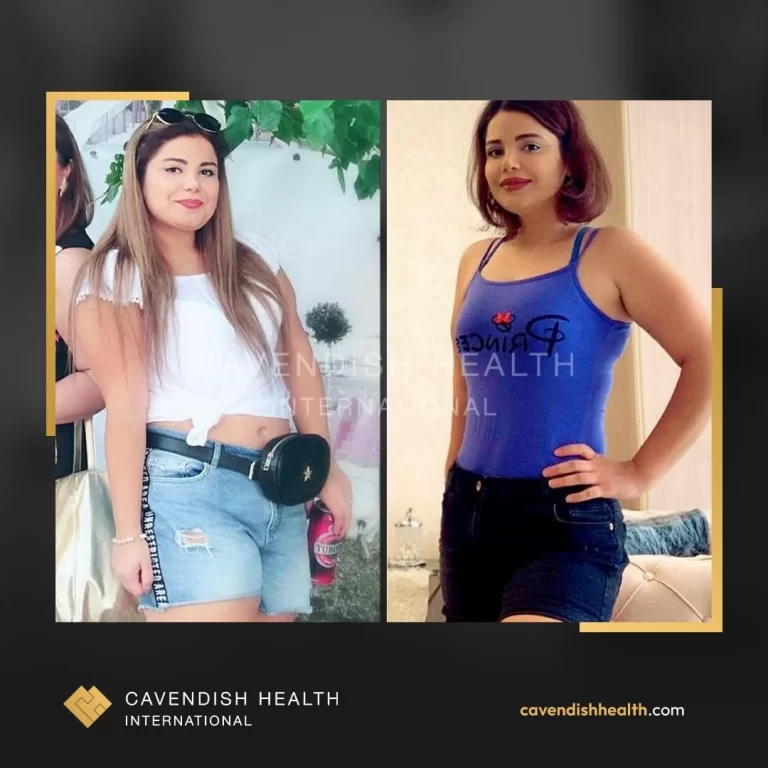
What Is a Gastric Sleeve?
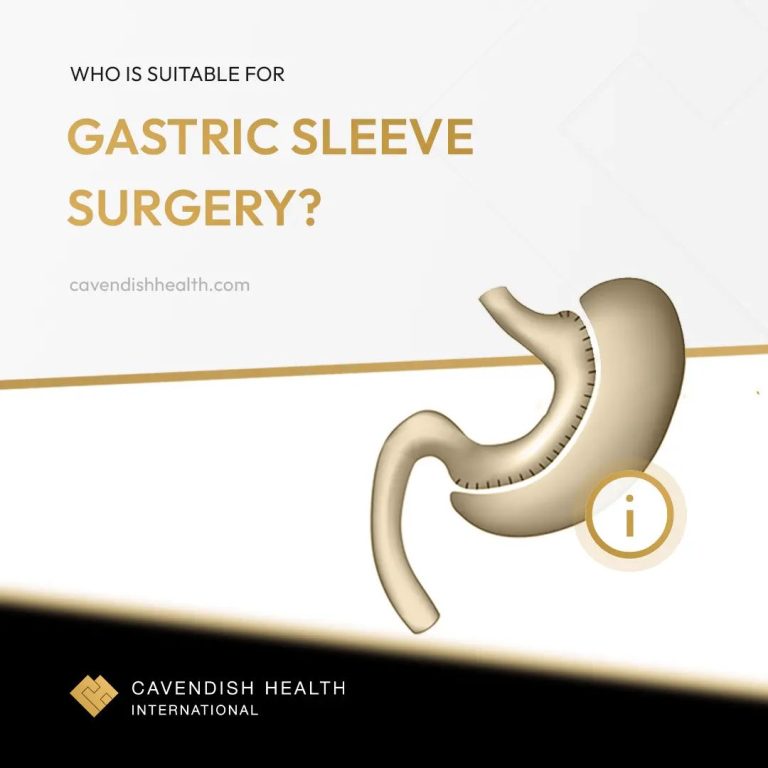
The gastric sleeve, also called a sleeve gastrectomy, is a surgical procedure for weight loss in which a significant piece of the stomach is surgically removed, leaving the patient with a much smaller, sleeve-shaped stomach.
This aids in restricting food intake, which in turn aids in burning fewer calories and shedding extra pounds. Those with a BMI of 40 or above, or those with a BMI of 35 who also struggle with obesity-related health problems, are common candidates for the treatment.
If you have struggled with obesity and have not been successful with other weight loss procedures, gastric sleeve surgery Turkey may be a good alternative for you. It has the potential to result in dramatic weight loss, enhanced general health, and an improved standard of living.
The decision to undergo gastric sleeve surgery Turkey should be made after careful consideration and discussion with a trained medical professional. As with any surgical treatment, there are risks and potential problems.
What Are the Benefits of Gastric Sleeve Surgery?
Many people who have struggled with obesity and its health consequences have found relief through gastric sleeve surgery.
Among the many advantages are:
- Patients often lose between 50 and 70 percent of their excess weight in the first two years following gastric sleeve Turkey which is considered a significant amount of weight loss.
- The reduced chance of acquiring obesity-related health issues, including type 2 diabetes, high blood pressure, and sleep apnea, is only one of the many benefits of losing weight.
- Reducing weight can enhance mobility, energy, and self-esteem, all of which contribute to an overall higher quality of life.
- Many individuals find they no longer need drugs to address health issues associated with obesity when they lose weight and improve their health.
- Gastric sleeve Turkey has been demonstrated to help many people successfully maintain their weight loss over the long term.
Although gastric sleeve surgery in Turkey has numerous advantages, it is not a miracle cure for obesity. After surgery, patients have to make a commitment to a healthier lifestyle by eating right, exercising frequently, and keeping their post-op appointments with their doctor.
What Are the Gastric Sleeve Surgery Requirements?
It is important to keep in mind that gastric sleeve Turkey is a big operation, and that not just anyone can be a good candidate for it. The following are some of the baseline criteria that a potential gastric sleeve patient should meet:
- Patients often need to be overweight (BMI 40) or have at least one obesity-related health problem (BMI 35), such as type 2 diabetes, high blood pressure, or sleep apnea.
- Patients under the age of 18 are typically not accepted for gastric sleeve surgery.
- Patients should have attempted to reduce weight using more conventional means, such as diet and exercise, but were unable to do so successfully or sustain their weight loss.
- The patient must be in good mental health and free of any medical disorders that would make surgery dangerous. They should also be ready to make some serious adjustments to their way of life after the operation.
- Patients undergoing gastric sleeve surgery should be prepared to make long-term commitments to themselves in the form of a balanced diet, frequent exercise, and regular check-ins with their surgeon.
These needs may differ from surgeon to surgeon and from healthcare facility to healthcare facility. Individuals interested in Turkey gastric sleeve should discuss the procedure and their eligibility with a medical professional.
What Are the Risks of Gastric Sleeve Surgery?
Like any other surgical procedure, gastric sleeve surgery is not risk-free. Possible complications from bariatric surgery Turkey include the following.
- There is always a chance of infection following surgery, and gastric sleeve surgery is no exception. The incision site or the abdomen can become infected.
- It is possible that additional care will be needed if bleeding occurs during or after surgery.
- Anaesthesia-related problems, such as an allergic reaction or drug reaction, carry a negligible risk.
- Nausea, vomiting, and diarrhoea are all possible side effects of gastric sleeve surgery on the digestive system.
- Patients may need to take vitamin and mineral supplements to make up for lost nutrients after surgery that reduces stomach size.
- Some patients may have weight regain over time, despite the fact that Turkey gastric sleeve is highly effective at promoting weight loss.
Though not impossible, these dangers are extremely uncommon. The vast majority of people who have gastric sleeve surgery do it successfully. People and their doctors should talk about the pros and cons of gastric sleeve surgery to determine if it’s the best option for them.
Before undergoing gastric sleeve surgery, read gastric sleeve reviews from other patients who have undergone the procedure for quality standards. Gastric sleeve Turkey reviews can provide valuable insights into the best hospital in Turkey for gastric sleeve and the best gastric sleeve surgery Turkey.
How Is the Recovery Process After Gastric Sleeve Surgery?
Gastric sleeve patients may experience different recovery times, but in general, they can anticipate:
- Patients undergoing gastric sleeve surgery typically spend one or two nights in the hospital for observation and pain management.
- After surgery, some patients may feel pain or discomfort, which can be treated with medicine.
- Patients are urged to increase their activity levels following surgery to reduce the risk of developing blood clots and speed up the recovery process. Nonetheless, they should rest for a few weeks before returning to normal exercise.
- During surgery, patients will consume only liquids for the first week or two, before progressing to pureed foods and, eventually, solid foods. After surgery, patients need to adhere to a special diet to speed recovery and reduce the risk of problems.
- Appointments will be scheduled at regular intervals to check in on the patient and make sure they are recovering as expected.
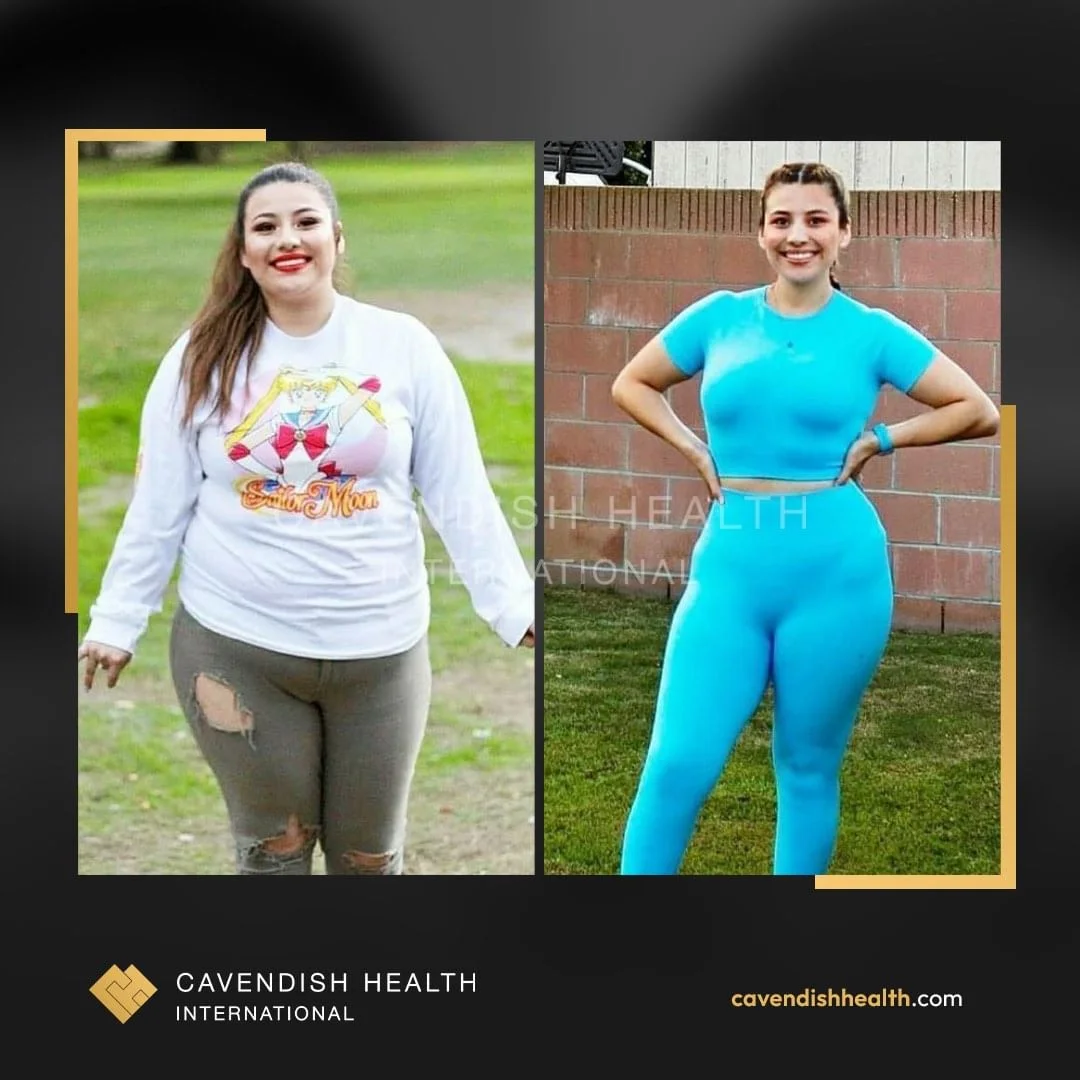
- Patients might anticipate rapid weight loss in the first few months following surgery, with weight loss slowing down thereafter. Maximising weight loss and keeping it off requires patients to stick to their healthy eating and exercise plans.
- After surgery, patients must follow a balanced diet, exercise regularly, and attend follow-up consultations with their doctor.
On average, bariatric patients need anywhere from a few weeks to a few months to fully recover following Turkey gastric sleeve.
Cavendish Health International goes the extra mile to ensure the wellbeing of UK patients who have had surgery in Turkey, providing a comprehensive aftercare package. This package includes a physical check-up in the UK, online aftercare assistance through telemedicine services, and access to UK physicians for follow-up care.
The BMI Factor: BMI Requirements for Gastric Sleeve
A person’s eligibility for gastric sleeve surgery is heavily dependent on their body mass index (BMI). Candidates for the operation may have a BMI 40 or higher, or a BMI 35 or higher with obesity-related health issues. The normal BMI range differs for both adults BMI and teens BMI. Healthy BMI for men and healthy BMI for women differ too, and the range falls somewhere between 18.5 and 24.9.
An individual’s eligibility for gastric sleeve surgery depends on a number of factors other than their body mass index alone. Consideration of the procedure will also depend on aspects like the patient’s general health and past medical history. Before deciding if gastric sleeve surgery is right for them, patients should talk to their doctor.
What Are the Differences Between Gastric Sleeve and Other Weight Loss Surgeries?
There are many differences between the gastric sleeve, gastric balloon, and gastric bypass procedures for losing weight.
Procedure: The gastric sleeve operation involves cutting the stomach in half vertically, creating a smaller, banana-shaped stomach. The goal of the gastric balloon procedure is to reduce calorie intake by filling up the stomach with a silicone balloon. With gastric bypass, the small intestine is bypassed and the digestive tract is rerouted to form a smaller stomach pouch.
Weight loss: All three treatments have the potential to result in substantial weight loss, though the exact amounts lost may vary. As a general rule, gastric sleeve and gastric bypass lead to greater and longer-lasting weight loss than gastric balloon.
Recovery: The time it takes to get back on your feet after surgery varies. Compared to gastric balloon, procedures like gastric sleeve and gastric bypass often necessitate a longer hospital stay and a lengthier recovery period.
Risks and complications: All bariatric procedures have the potential for some level of risk or complication. Infection, bleeding, and digestive problems are more likely to occur with a gastric sleeve or gastric bypass than with a gastric balloon.
Reversibility: The gastric balloon operation is reversible since the balloon can be removed if required. Both the gastric sleeve and the gastric bypass are considered permanent methods of weight loss.
Lifestyle changes: In order to lose weight and keep it off, you’ll need to make some serious adjustments to your lifestyle, such as your food and exercise routines.
Many considerations, including the patient’s health, weight loss objectives, and preferences, will determine if a gastric sleeve, gastric balloon, or gastric bypass will be the best option.
How Should Diet and Exercise Be After Gastric Sleeve Surgery?
In order to recover and see the best results from their gastric surgery Turkey, patients must make significant modifications to their diet and exercise routines.
General recommendations for nutrition and exercise following weight loss surgery Turkey are provided below:
Diet: During surgery, patients will consume only liquids for the first week or two, before progressing to pureed foods and, eventually, solid foods. After surgery, patients need to adhere to a special diet to speed recovery and reduce the risk of problems. In general, a diet rich in protein and low in carbohydrates, with plenty of fresh produce and healthy grains, is recommended for patients. Foods that are high in fat, sugar, and calories should be avoided.
Portion control: Patients who have had gastric sleeve surgery will have a smaller stomach and need to eat smaller meals more often throughout the day. Have three light meals and two or three light snacks daily, and quit when you’re satisfied.
Hydration: To stay hydrated, people should drink a lot of water throughout the day. Beverages should be avoided during meals since they increase stomach size and decrease the body’s ability to absorb nutrients.
Exercise: Patients should try to get at least 30 minutes of moderate exercise every day, like brisk walking, cycling, or swimming. It’s best to ease into things and build up to full speed afterwards. Weight loss, general health, and the avoidance of problems like blood clots can all benefit from regular exercise.
Follow-up appointments: Patients should go to all of their follow-up appointments with their healthcare provider to check on their progress and make sure they are still on track with their diet and exercise goals.
FAQ
How Long Does Gastric Sleeve Surgery Take?
Patients should plan to spend a significant amount of time in the hospital for preoperative preparation as well as postoperative monitoring, even though the surgical surgery itself only takes about one to two hours on average.
Will Gastric Sleeve Surgery Leave Visible Scars?
Scarring is inevitable after having get slim Turkey with gastric sleeve. Yet, the scars are typically quite discrete and positioned in less visible parts of the body, such as the abdomen. The scars will eventually lighten and become less apparent as time passes.
How Much Does Gastric Sleeve Surgery Cost?
Gastric sleeve surgery costs can range from one facility to the next, based on criteria like location, surgeon experience, and any additional gastric sleeve costs associated with pre- and post-op care. Gastric sleeve price is typically between $15,000 and $25,000 in the United States.
How Much Is a Gastric Sleeve in Turkey?
“How much does gastric sleeve cost?” and “How much is a gastric sleeve?” are frequently asked questions. Depending on the facility and the area, the gastric sleeve cost Turkey can be lower than in other countries, such as the gastric sleeve price UK. Gastric sleeve surgery in Turkey typically ranges from $6,000 to $12,000.
Turkey has become a popular destination due to its competitive gastric sleeve Turkey packages and gastric sleeve Turkey prices.There can be gastric sleeve Turkey payment plans to make the treatment more accessible and manageable for patients who may not be able to afford the full gastric sleeve surgery Turkey price upfront.
How Long Do You Stay in Turkey After a Gastric Sleeve?
Individuals who have undergone weight loss surgery Turkey are normally required to remain in Turkey for a period of at least five to seven days following the procedure in order to ensure adequate healing and to attend follow-up appointments with their healthcare professional.
How Long Do Gastric Sleeve Results Last?
Patients who have gastric surgery Turkey can expect to lose a large amount of weight, and the results may be long-lasting if they continue to lead a healthy lifestyle and adhere to the recommendations of their healthcare professional regarding diet and exercise. Yet, the outcomes for each person might be different.
Does Gastric Sleeve Come Under Insurance?
If it is determined that having gastric sleeve surgery is medically required, then the procedure may be covered by the patient’s health insurance. Patients ought to check with their insurance companies to determine whether or not they are entitled to get coverage.
Patients of Cavendish Health International now have the option to obtain complication insurance through Demir Hayat Insurance Company. This policy offers financial protection in case of an unexpected complication during or after a medical procedure, with comprehensive health insurance and follow-up coverage up to GBP 10,000 in Turkey and GBP 2,000 in the patient’s country of return.
How Many Pounds Can Be Lost With a Gastric Sleeve?
Individuals who undergo gastric sleeve surgery can anticipate losing between 50 and 70 percent of their excess weight during the first two years following the procedure. The quantity of weight lost might differ from patient to patient depending on a number of factors, including the patient’s initial weight, food, and exercise routines, among others.
Can I Eat Anything After Gastric Sleeve Surgery?
After gastric sleeve surgery, patients will need to adhere to a special diet in order to speed up the healing process and maximise the weight loss benefits. Patients should focus on eating a healthy, balanced diet that includes enough protein, fruits, vegetables, and whole grains, while avoiding meals heavy in fat, sugar, and calories.
What Weight Do You Have to Be to Get a Gastric Sleeve in Turkey?
Depending on the hospital and the surgeon’s advice, there may be different minimum weight requirements for gastric sleeve surgery in Turkey. To qualify for gastric sleeve surgery, however, one must have a body mass index (BMI) of 35 or higher with obesity-related health concerns, or a BMI of 40 or higher without such difficulties.
Who Is the Best Clinic for Gastric Sleeve in Turkey?
There are various excellent facilities in Turkey offering gastric sleeve surgery; nevertheless, the clinic that is most suited to each patient will vary. Cavendish Health is a well-respected hospital in Turkey that specialises in gastric sleeve procedures.